Speakers
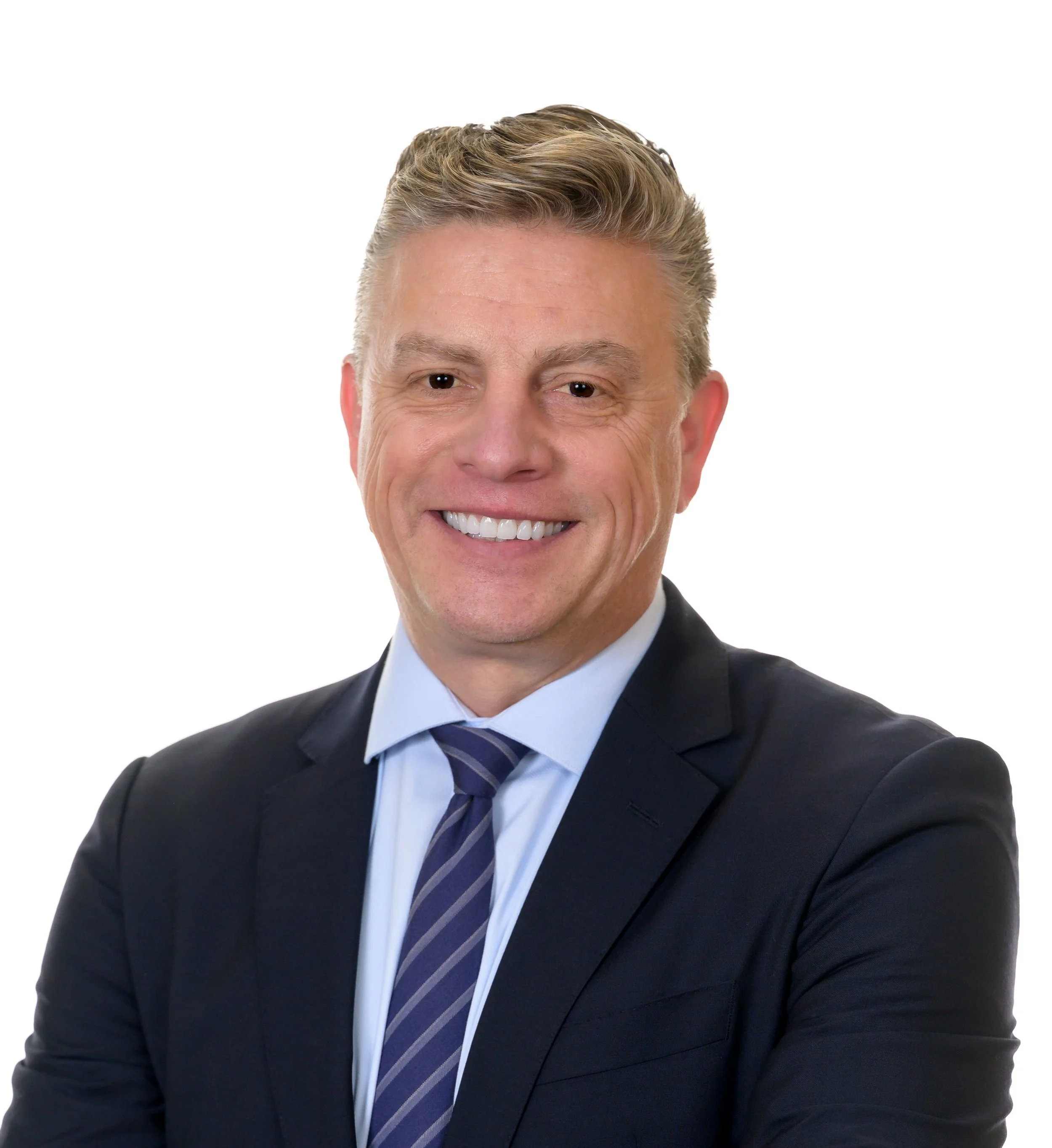
President and CEO, Friends of Cancer Research
Dr. Jeff Allen serves as the President and CEO of Friends of Cancer Research (Friends). For over 25 years, Friends has created unique scientific partnerships, accelerated policy change, and supported groundbreaking research to deliver new therapies to patients quickly and safely. As a key thought leader on issues related to the U.S. Food and Drug Administration, healthcare, and regulatory policy, he is regularly published in prestigious medical journals and policy publications and has contributed his expertise to the legislative process on multiple occasions. Prior to joining Friends, Jeff was an endocrinology/oncology researcher at the National Institutes of Health and received his Ph.D. in cell and molecular biology from Georgetown University.
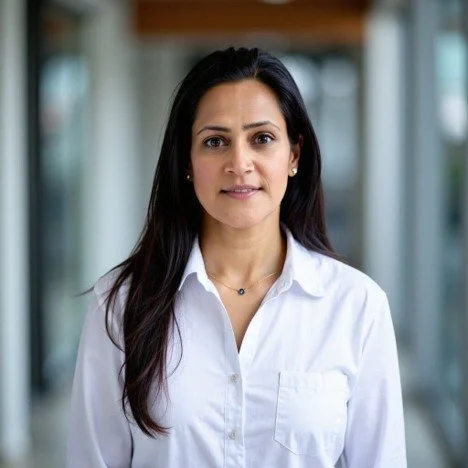
Shrujal Baxi, MD MPH
Senior Medical Advisor, Altis Labs
Dr. Shrujal Baxi is a practicing medical oncologist and Senior Medical Advisor to Altis Labs, where she advises on clinical and scientific strategy: defining the clinical questions IPRO is best positioned to answer, pressure-testing endpoint definitions and study designs, and ensuring model outputs are interpretable and actionable for sponsors, investigators, and regulators.
She trained in internal medicine at NYU and in hematology/medical oncology at Memorial Sloan Kettering Cancer Center, where she established a head and neck and thyroid oncology practice and led health services research on care delivery, treatment toxicity, and survivorship. She continues to see patients, anchoring her perspective in clinical practice.
Over the past 15 years, she has also worked at the intersection of oncology, real-world data, and machine learning in industry — as Head of Clinical Science at Flatiron Health, where she contributed to establishing regulatory-grade real-world endpoints in dialogue with the FDA, and as Chief Medical Officer at Iterative Health. She currently serves as Chief Medical Officer of LindAI.
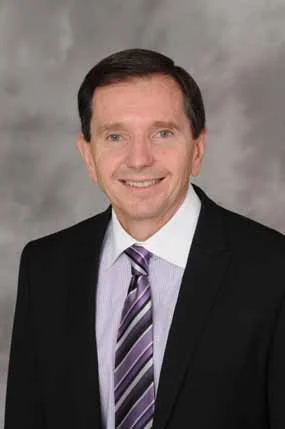
William E. Fitzsimmons, PharmD MS
Senior Advisor, Transplant Therapeutics Consortium
Dr. William E. Fitzsimmons is the Senior Advisor to the Transplant Therapeutics Consortium, a public-private partnership founded by the American Society of Transplantation and the American Society of Transplant Surgeons, where he leads the regulatory qualification of the iBOX as a novel surrogate endpoint for kidney transplantation. He is an Adjunct Professor at the University of Illinois at Chicago in the Colleges of Pharmacy and Medicine and Adjunct Assistant Professor at Morehouse School of Medicine. After a 29-year career at Astellas Pharma, he retired in 2019 as the Executive Vice President, Regulatory Affairs, Clinical and Research Quality Assurance. During his pharmaceutical career at Astellas, he worked extensively on tacrolimus (Prograf) to secure its initial FDA and global approvals in liver transplantation and subsequent extension of the indications to kidney, heart, and lung transplantation. After retiring from Astellas, he founded Tutela Pharmaceuticals Inc., a 501(c)(3) not-for-profit pharmaceutical company, and co-founded the CARER Group, a 501(c)(3) nonprofit focused on catalyzing access to clinical research and equity in demographic representation.
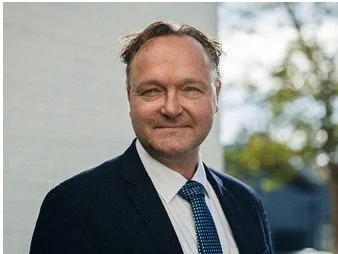
Morten Karsdal, MSc PhD mMBA Professor
CEO and Head of Research & Development, Nordic Bioscience A/S
Dr. Morten Asser Karsdal is CEO and Head of Research & Development at Nordic Bioscience A/S and an internationally recognized leader in translational medicine, biomarker science, and drug development. His research has advanced the understanding of fibrosis, extracellular matrix biology, pulmonary disease, obesity, diabetes, osteoporosis, osteoarthritis, and rheumatoid arthritis, with a focus on translating biomarker discoveries into clinical and regulatory applications.
Professor Karsdal has authored more than 750 peer-reviewed publications, with over 44,000 citations and an H-index exceeding 100. He has led the development of FDA-approved molecular diagnostics and more than 125 commercialized biomarker assays, and has contributed to over 100 clinical studies spanning target discovery through Phase III development. His expertise in biochemical markers and clinical trial design has helped accelerate precision medicine across multiple therapeutic areas.
Since joining Nordic Bioscience in 2001, Professor Karsdal has overseen major scientific collaborations and strategic partnerships while leading multidisciplinary research teams. He also serves as Adjunct Professor of Molecular Medicine at the University of Southern Denmark and is the author of Biochemistry of Collagens, Laminins and Elastin.
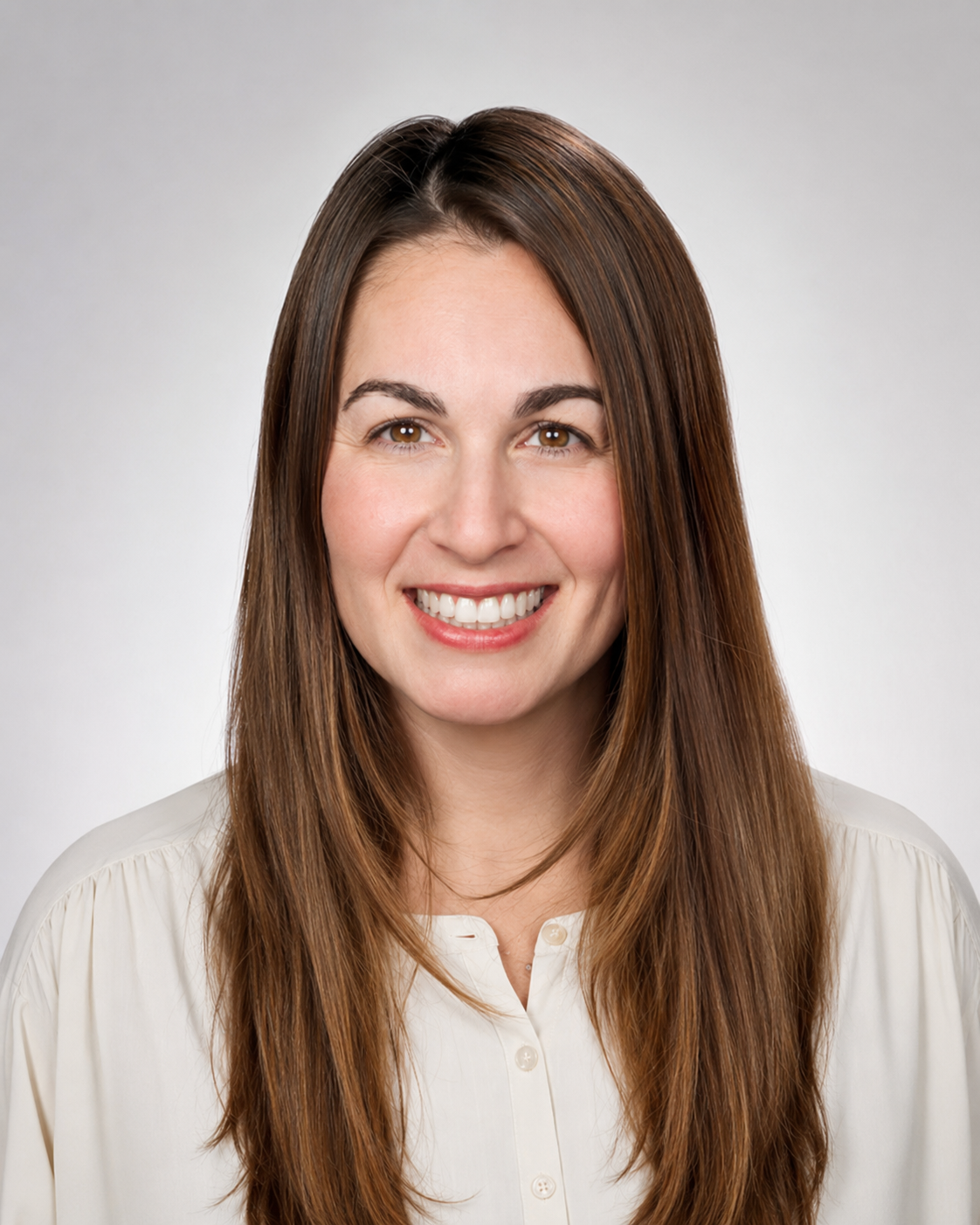
Amanda Klein, PharmD
Founder & Principal Consultant
Dr. Amanda Klein is the founder and principal consultant of Biomarker Solutions LLC. An internationally recognized leader in regulatory science, she brings over 15 years of experience spanning biomarker development, drug development tools, and global regulatory strategy. She authored and led the first-ever qualified biomarker in kidney transplantation, resulting in an EMA Qualification Opinion, and led the only FDA-accepted Qualification Plan for a reasonably likely surrogate endpoint. Her collaborations with agencies such as the FDA, EMA, CMS & NIH, help ensure that new therapies reach patients safely & efficiently.
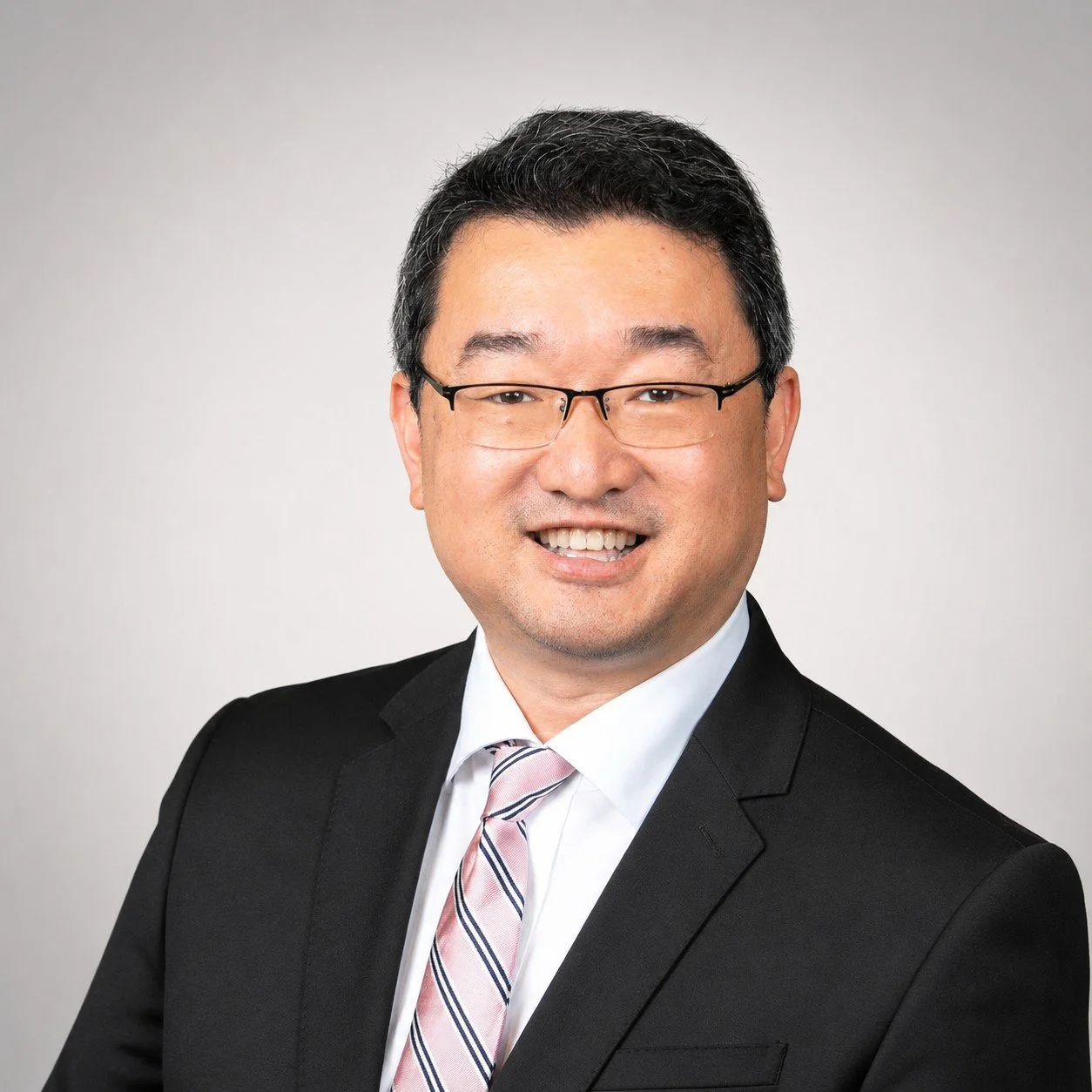
Tzuyung (Douglas) Kou, PhD MPH MA
Executive Director and Global Head of Epidemiology within Clinical Safety and Pharmacovigilance, Daiichi Sankyo
Dr. Doug Kou leads global epidemiology strategy and real-world evidence generation to support drug development, regulatory decision-making, and pharmacovigilance across oncology and specialty medicines. With more than 25 years of experience in pharmacoepidemiology, real-world evidence, and drug safety, he has held leadership roles at Merck, Bristol Myers Squibb, BeiGene, and Daiichi Sankyo. Doug has extensive experience applying the FDA's fit-for-purpose framework to evaluate the suitability of real-world data for regulatory decision-making. Earlier in his career, he served as both a medical monitor and study director for registry-based clinical studies, providing firsthand experience in the design, conduct, and oversight of prospective observational research. His work has supported post-marketing safety evaluations, label expansions, and regulatory evidence generation using healthcare databases, disease registries, and other real-world data sources. He has particular expertise in assessing data quality, addressing bias and confounding, and integrating evidence from clinical trials, observational studies, and scientific literature to inform benefit-risk assessments. Doug is passionate about advancing the rigorous and appropriate use of real-world evidence to improve regulatory science and patient care.
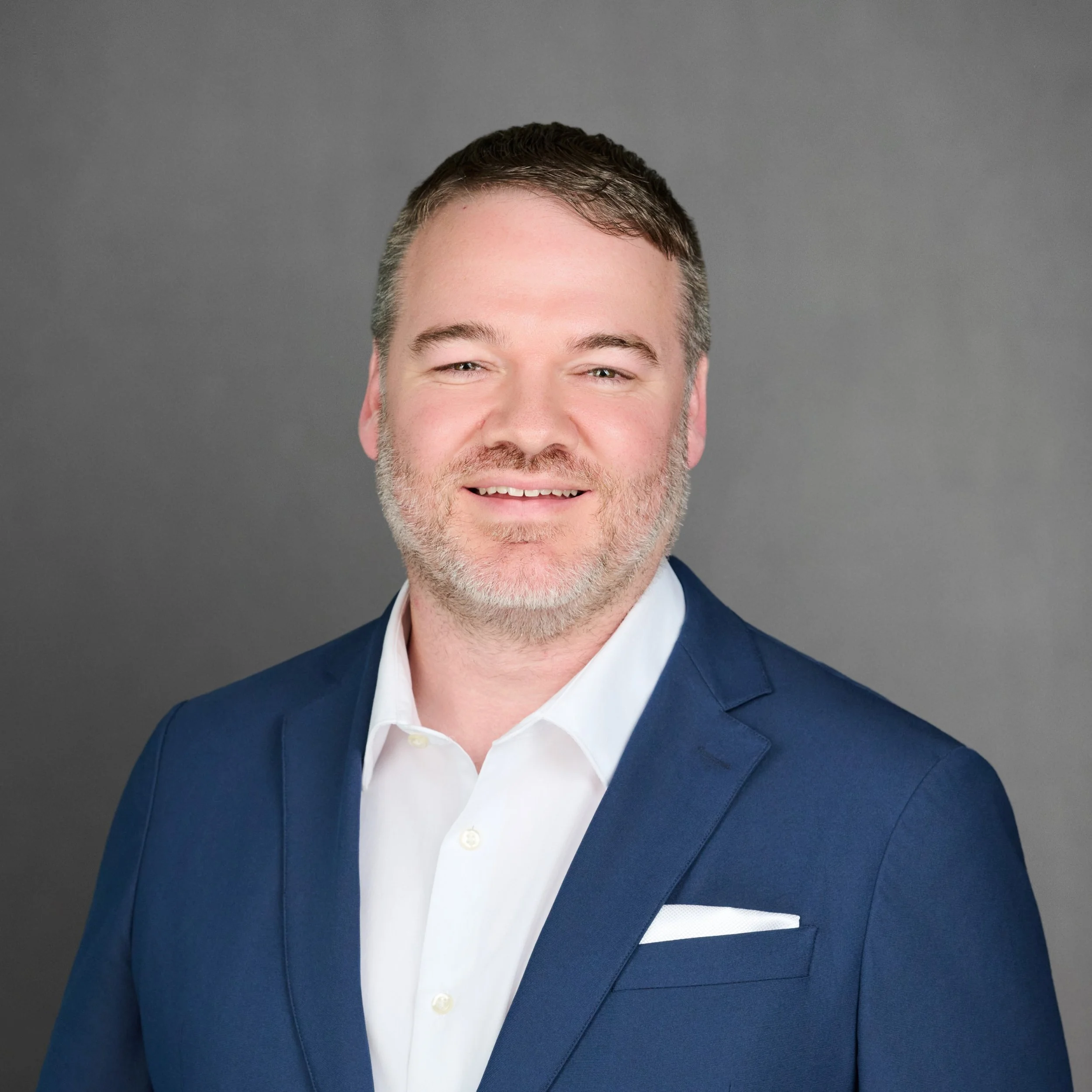
Robert Lavieri, PhD
Vice President, Business Development and Translational Medicine, TrilliumBiO
Dr. Robert Lavieri leads a team focused on developing new biomarkers and clinical diagnostics across a broad range of therapeutic areas, including pulmonary, oncology, immunology/inflammation, and neurodegenerative diseases.
Robert has two decades of global experience spanning basic science, human genetics, translational medicine, and clinical R&D across small, medium, and large organizations. Robert has worked across VC-funded startups, academic medical centers, and the biotech/pharma industry. He’s helped generate over $100M in funding and revenue, contributed to 8 IND filings, worked with teams to design and raise funds for more than a dozen pilot and phase 2 clinical trials across a wide range of therapeutic areas, and partnered with leaders across biotech, pharma, academia, and various nonprofit organizations focused on improving human health.
Robert earned B.A. degrees in biochemistry and philosophy from DePauw University and a PhD in pharmacology from Vanderbilt University, where he was the recipient of a fellowship from the Pharmaceutical Research and Manufacturers of America (PhRMA) Foundation.
Steven Piccoli, PhD
CEO and Founder, Neoteric and Head of Clinical Biomarkers, Sun Pharma Advanced Research
Dr. Steven Piccoli joined Sun Pharma Advanced Research (SPARC) in 2020 as Head of Clinical Biomarkers. Prior to that, he was Head of Oncology Biomarkers at GlaxoSmithKline with past positions at Johnson & Johnson and Bristol-Myers Squibb. He is a recognized expert in clinical biomarkers and precision medicine, having founded a contract research organization to conduct medical device trials and functioning as the medical director of CLIA regulated patient testing laboratories. In addition, he has served on the Medical Devices Panel in Immunology of the FDA (CDRH) and is engaged in public/private partnerships (Critical Path Institute, Predictive Safety Testing Consortium, Foundation of the National Institutes of Health, Biomarkers Consortium) to promote advances in clinical and regulatory science.
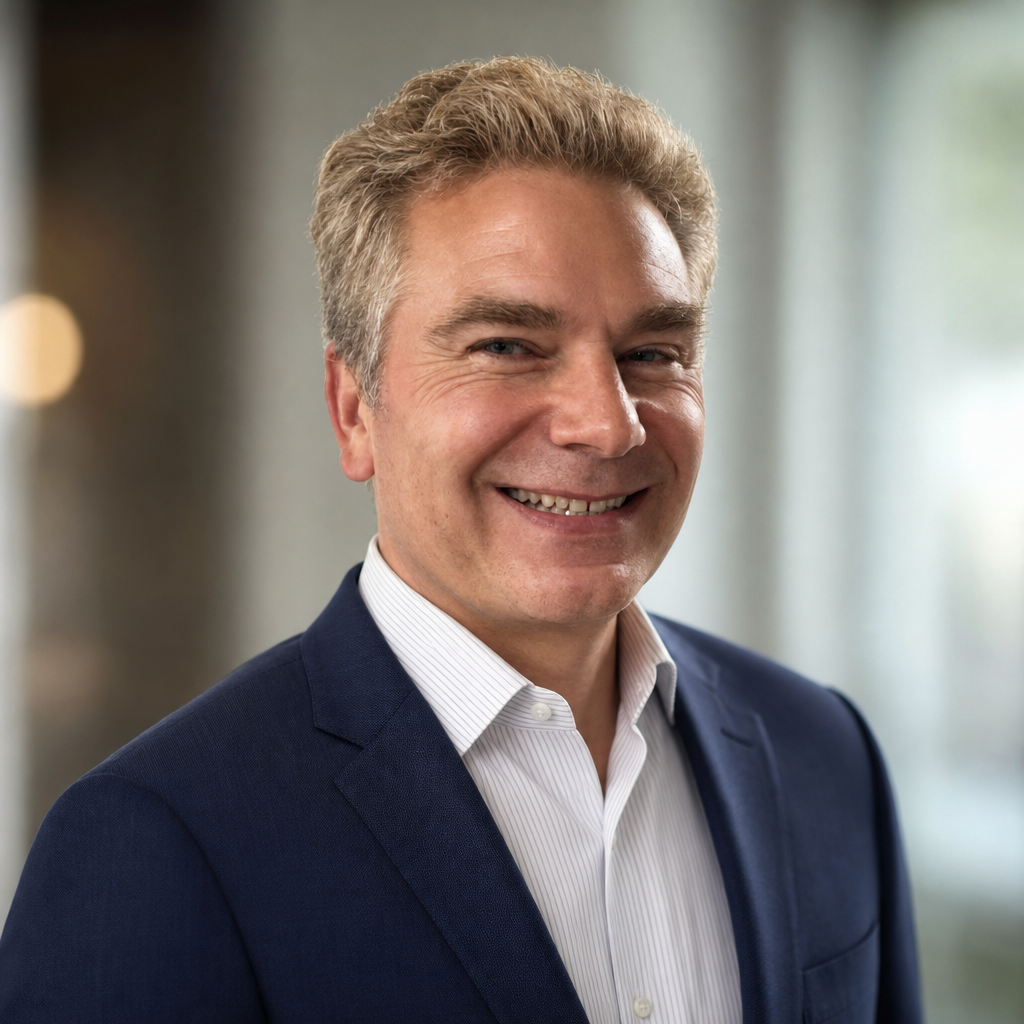
Peter Schafer, PhD
Chair, PROLIFIC Consortium, Pulmonary Fibrosis Foundation
Dr. Peter Schafer is the Chair of the Prognostic Lung Fibrosis Consortium (PROLIFIC), a pharma/biotech consortium coordinated by the Pulmonary Fibrosis Foundation. Before this role, he held senior R&D roles in the pharmaceutical industry. Most recently, Dr. Schafer served as Scientific VP, Translational Medicine at Bristol Myers Squibb (BMS), where he and his team led the design and implementation of biomarker strategies across the late clinical pipeline in Immunology, Cardiovascular, and Neurology. His team conducted research to characterize patient subsets, identify biomarkers of response and resistance, understand mechanisms of action, and inform rational combinations and novel therapeutic targets. Peter joined BMS from Celgene, where for 20 years he led the Drug Discovery Biology group and helped to build the Translational Development group focused on Hematology and Immunology. He is co-inventor of apremilast (Otezla™), approved for the treatment of psoriasis, psoriatic arthritis, and Behçets Disease. In addition to his work with the PFF, Peter has served on several Lupus Research Alliance committees, including co-chairing the Lupus Nexus Steering Committee from 2020-2025, and is currently a member of the Scientific Advisory Network for Lupus Ventures.
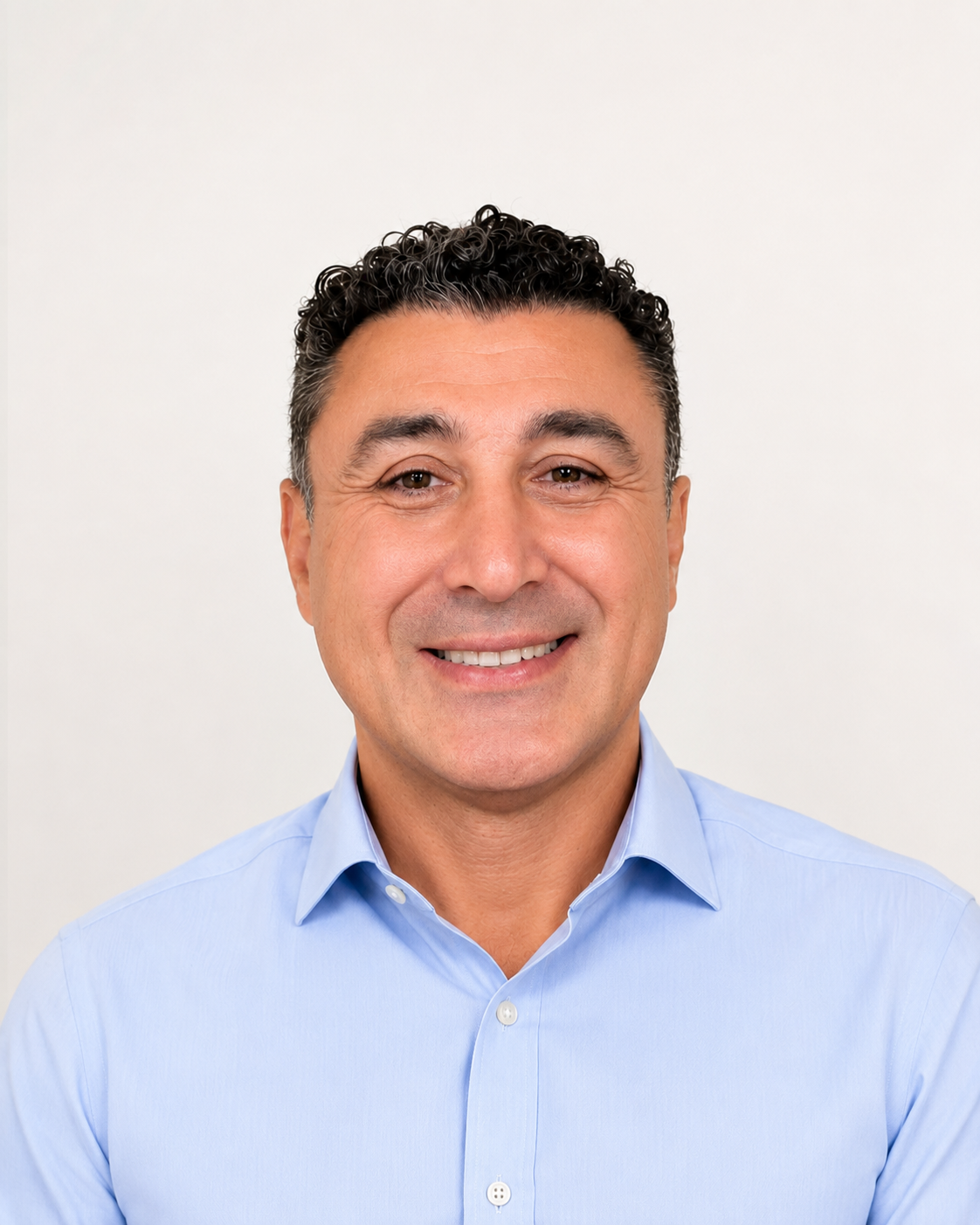
Jad Zoghbi, MS
Scientific Director, Biomarkers, Biogen
Mr. Jad Zoghbi is an internationally recognized leader in bioanalytical sciences and biomarker development with more than 20 years of experience advancing drug development across the biotechnology and pharmaceutical industries. In his current role at Biogen, he leads the bioanalytical sciences across clinical development programs. Before joining Biogen, Jad held scientific leadership roles at Sanofi, where he invented the patented PandA immunogenicity methodology, an innovative approach that has advanced the field of immunogenicity assessment. He has authored numerous scientific publications, contributed to industry best practices, and is a frequent speaker at international scientific conferences. Jad also brings a deeply personal perspective to biomedical innovation. After losing his brother to pleuroparenchymal fibroelastosis (PPFE), a rare and devastating lung disease, he experienced firsthand that even those who understand science are not immune to its limitations. His story is a reminder that while scientific advances have transformed countless lives, there are still diseases for which answers come too late, or not at all. Through both his scientific leadership and personal journey, Jad advocates for continued investment in science, biomarkers, and innovative therapeutic development so that future patients and families have hope even where unmet medical needs persist.